How we chose
We did not rank these watches by specifications alone. A smartwatch has to remain useful after three weeks, when the excitement fades. We weighted display quality, overnight comfort, mobile app coherence, measurement stability, workout start speed, recovery data clarity and the relationship between price and real-life use. A spectacular watch that is annoying to wear loses ground; a less ambitious watch that is reliable, readable and low-maintenance gains it.
Ecosystem also matters. An Apple Watch may be the best smartwatch in isolation, but it becomes irrelevant without an iPhone. A Galaxy Watch is strongest with a Samsung phone. Garmin, Polar, Huawei and Amazfit are more phone-agnostic, but each has limits around apps, payments or rich replies. This ranking is not trying to crown one universal winner. It is trying to identify the best choice for the most common real-life profiles.
Real battery life vs advertised battery life
Advertised battery figures are useful, but they rarely describe your week. Always-on display, dual-frequency GPS, LTE calls, heavy notifications, overnight SpO2 tracking and animated watch faces can shorten runtime quickly. On the other hand, a watch used with filtered notifications, automatic brightness and short workouts can outperform expectations. That is why we talk about charging routine more than headline claims: do you need to charge daily, every few days or almost never during a normal week?
Apple Watches remain the strongest software smartwatches, but they ask for charging discipline. Garmin, Huawei and Amazfit free the user from that constraint more effectively. Samsung sits between those worlds, with richer connected features but battery life that still depends heavily on settings. If you forget chargers when traveling, do not underestimate this criterion. A dead smartwatch is always less useful than a simpler model that is still on your wrist.
Which watch for which profile
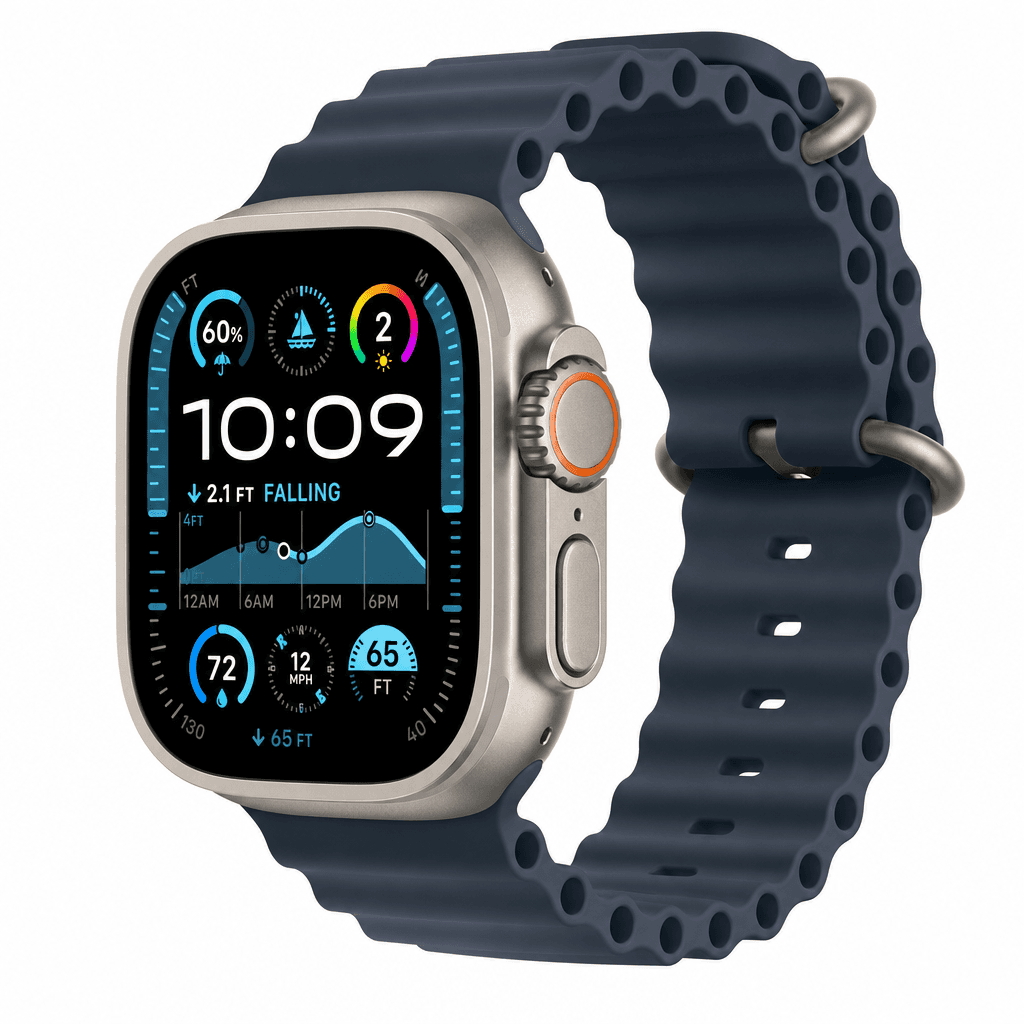
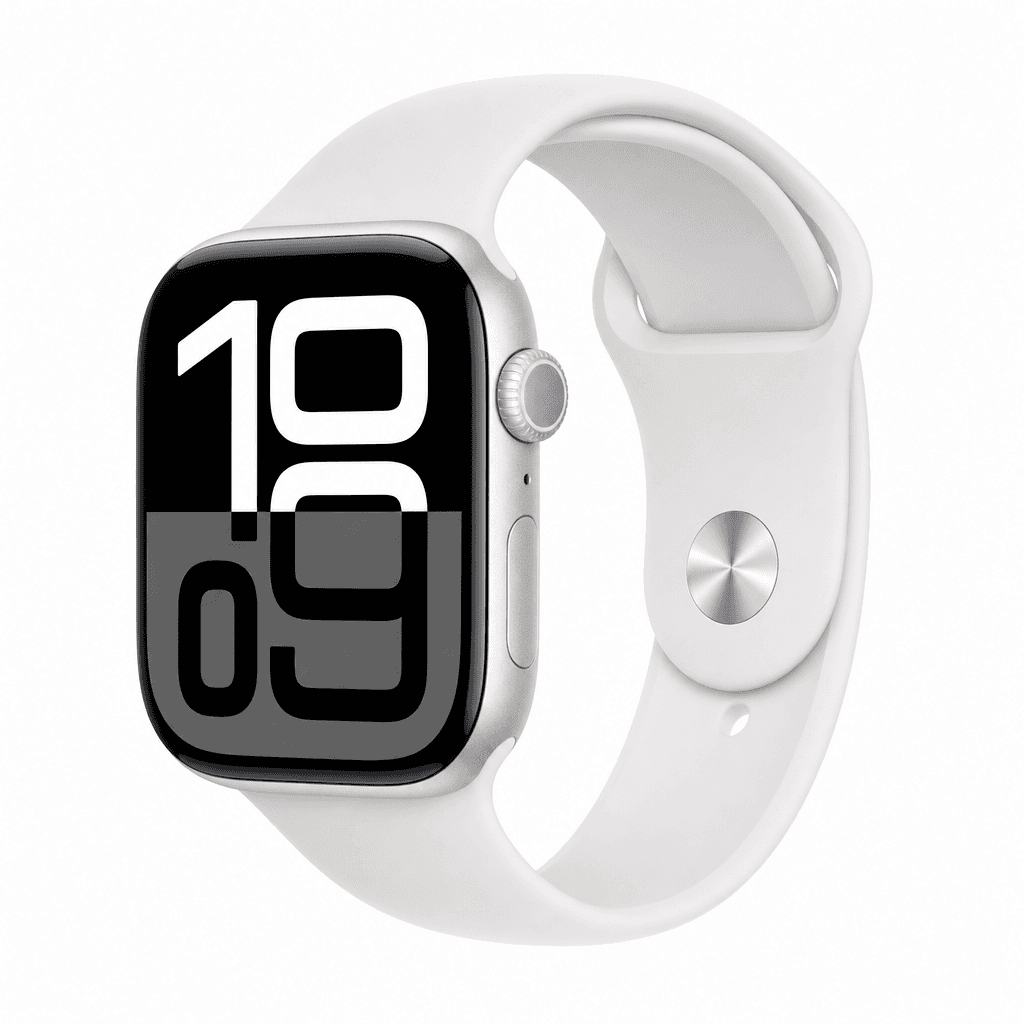
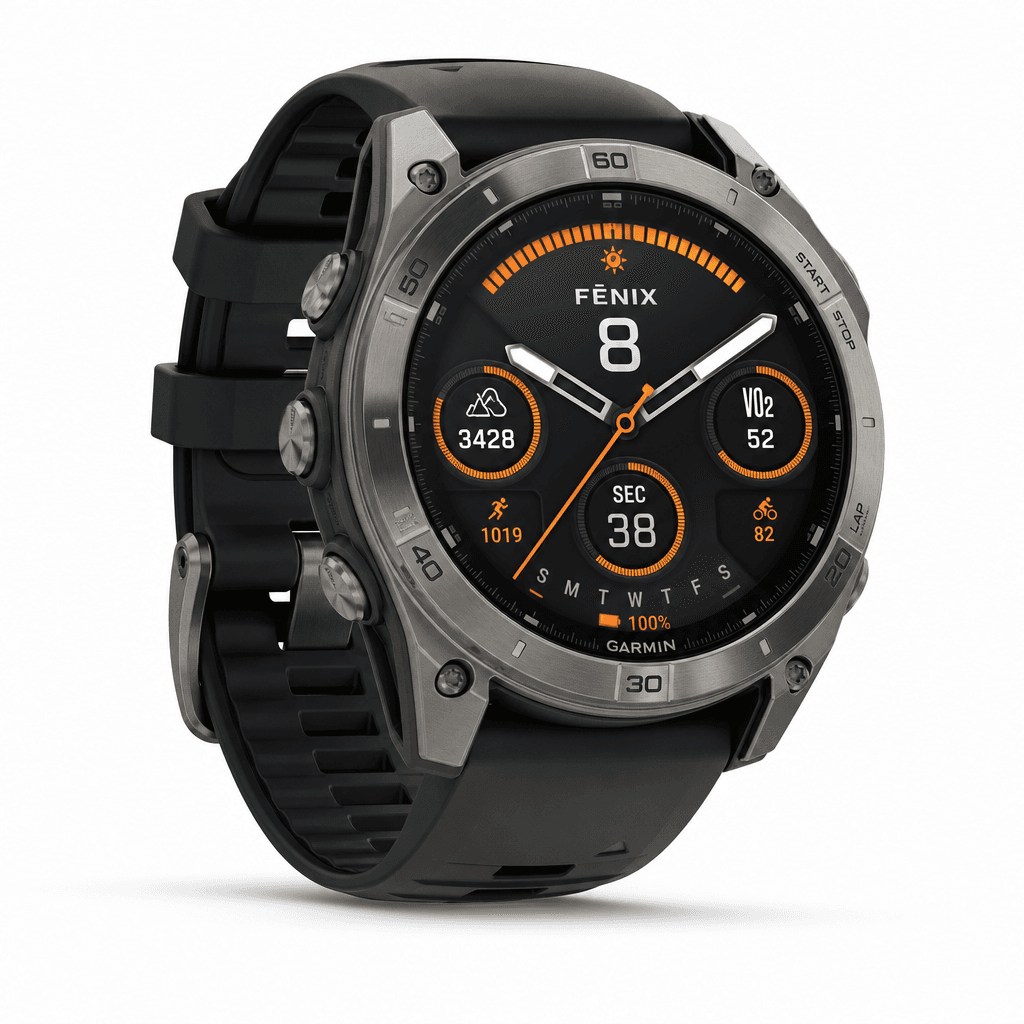
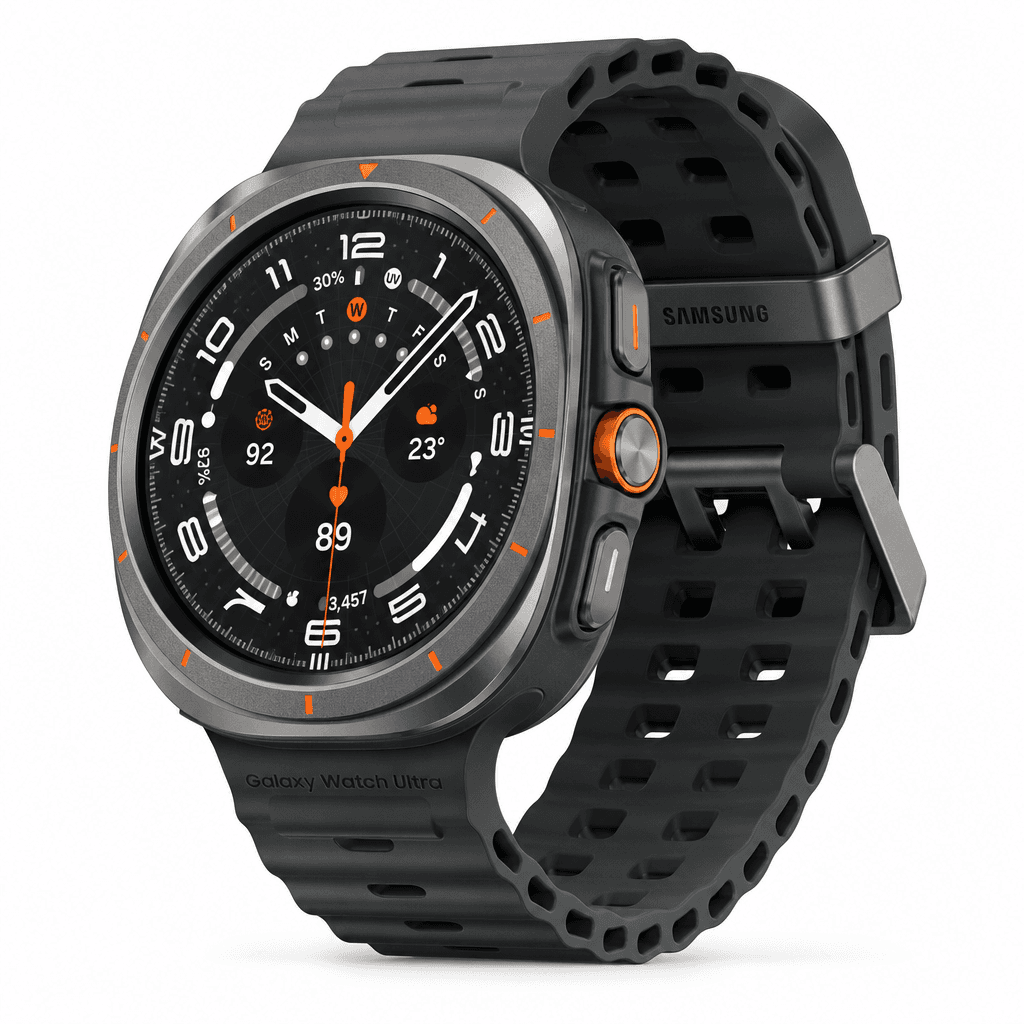
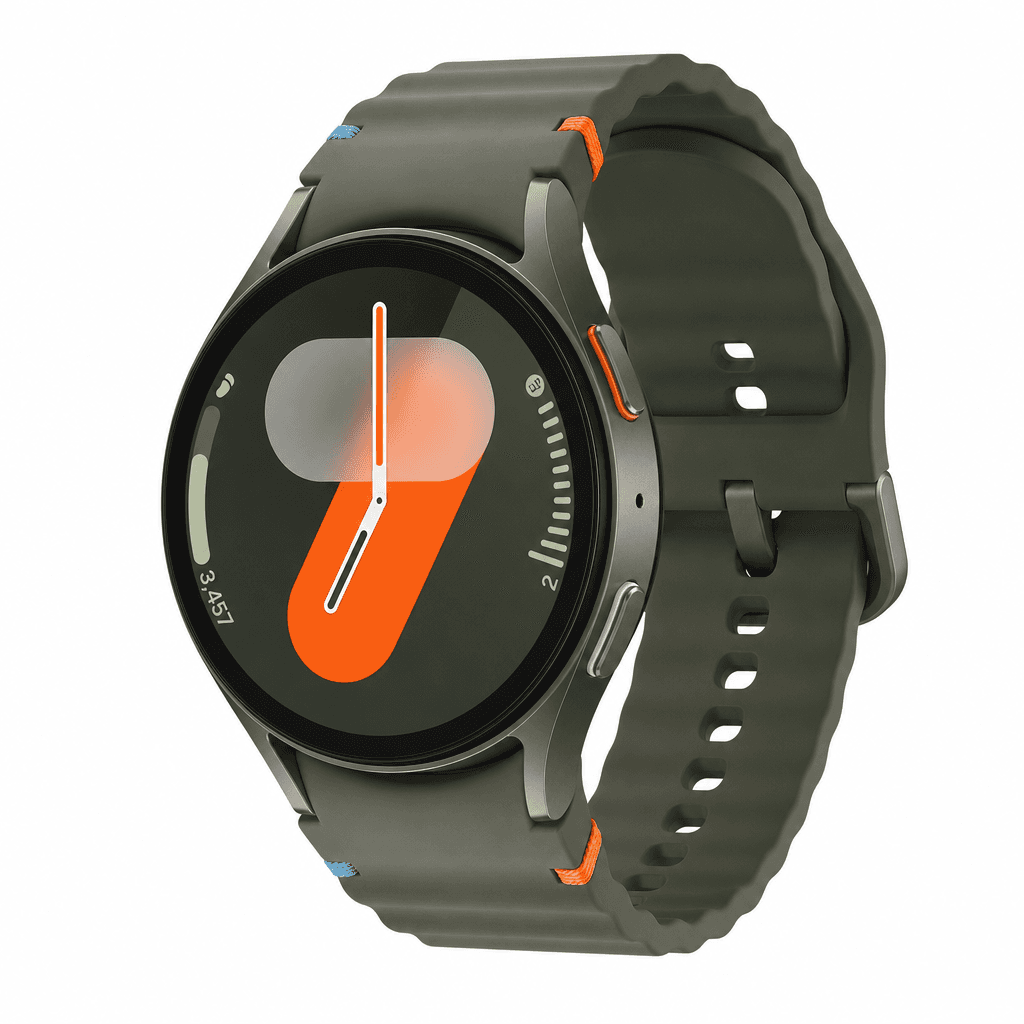
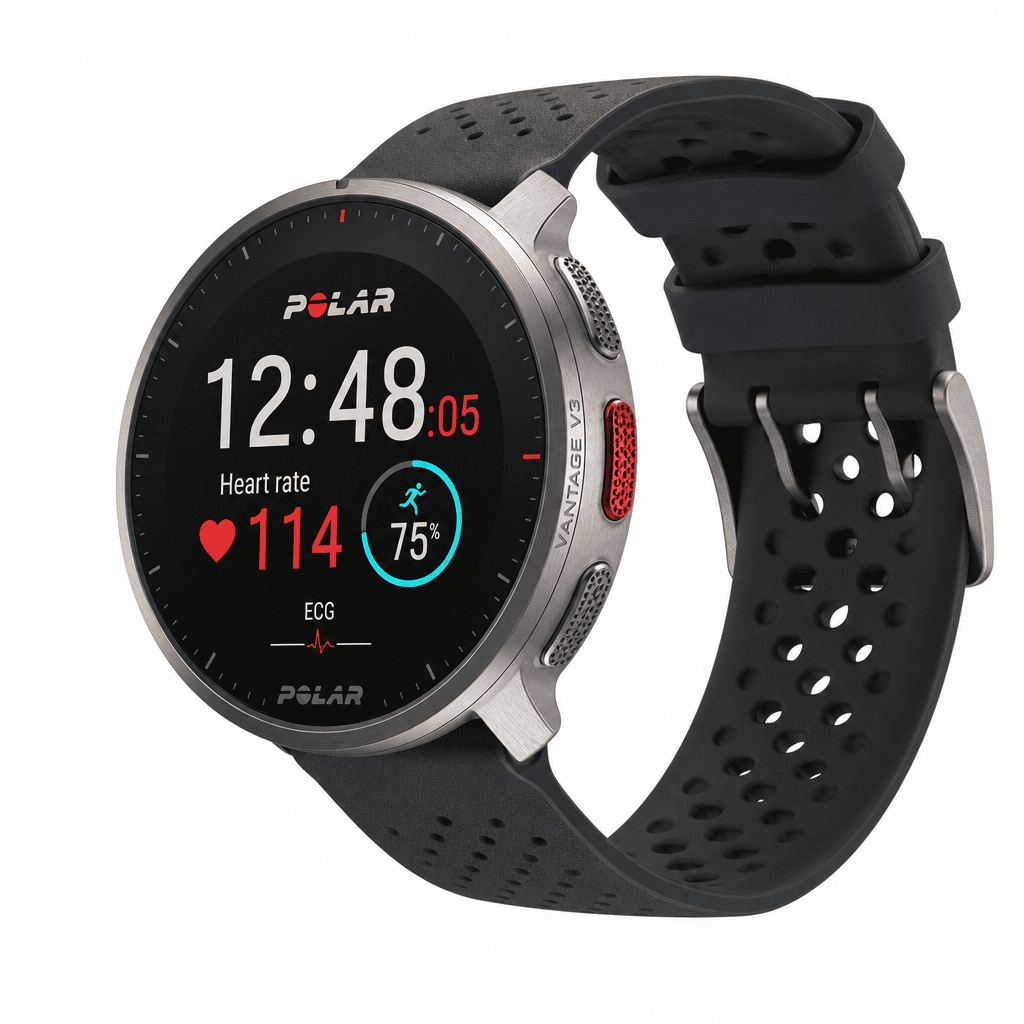
For iPhone, the Series 10 is the natural choice and the Ultra 2 is the tougher, brighter, longer-day version. For Samsung phones, the Galaxy Watch 7 is enough for many people, while the Galaxy Watch Ultra makes sense if you want a more durable and premium device. For serious sport, the Fenix 8 remains the most complete option, while the Polar Vantage V3 appeals to athletes who prefer training and recovery guidance over broad app features.
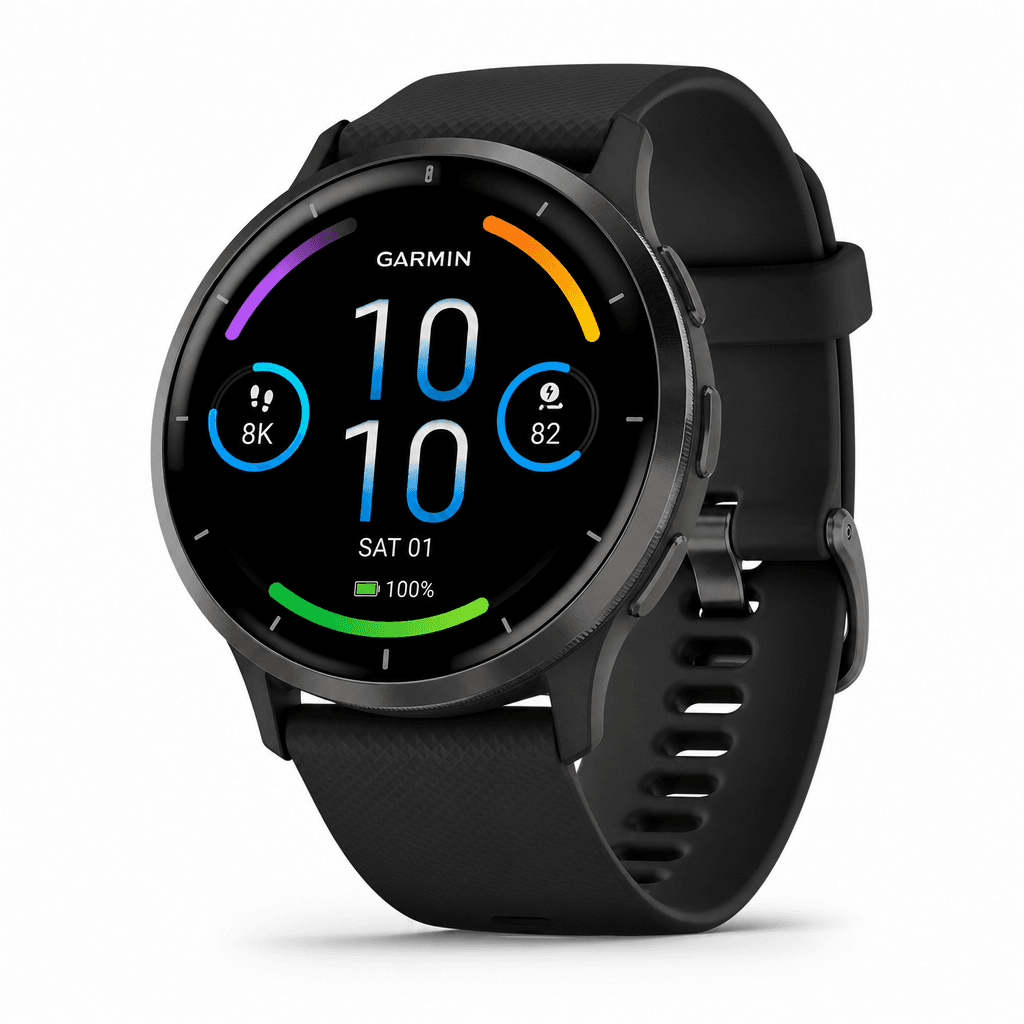
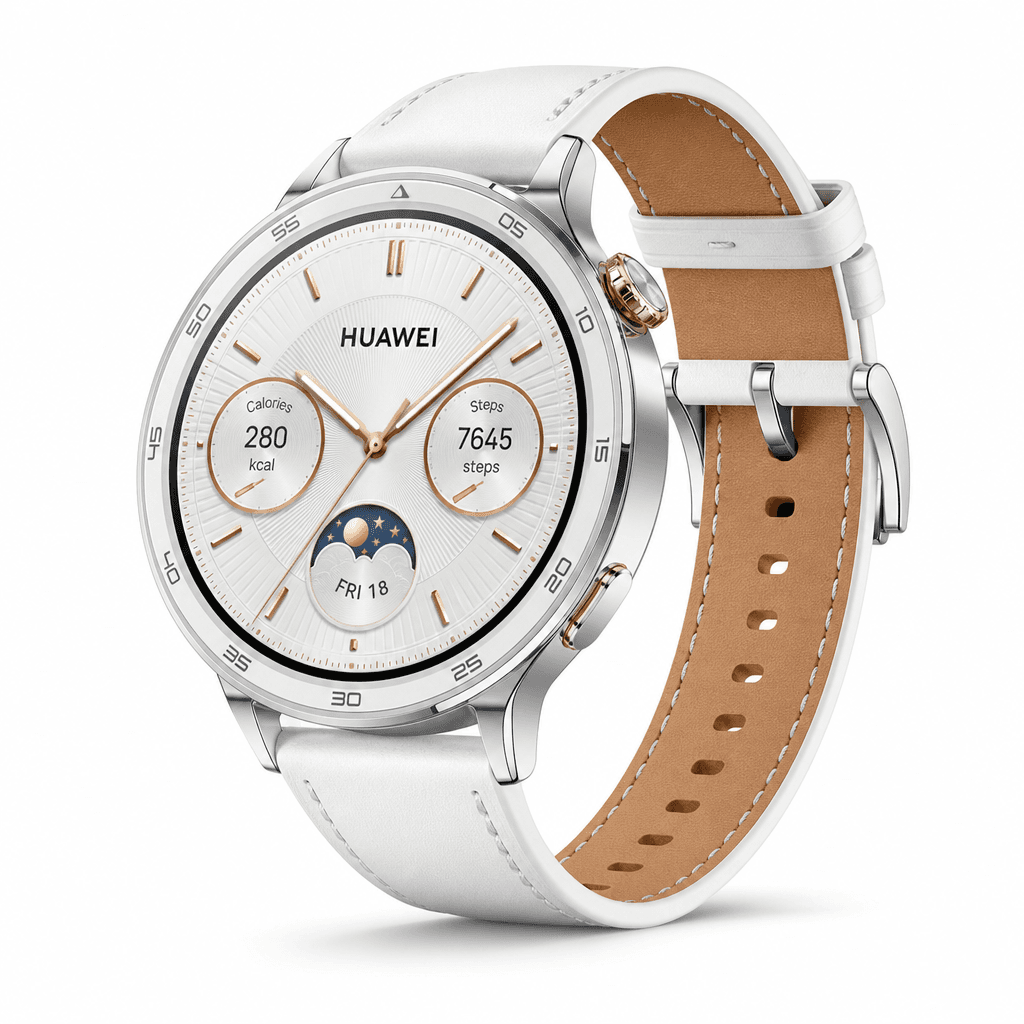
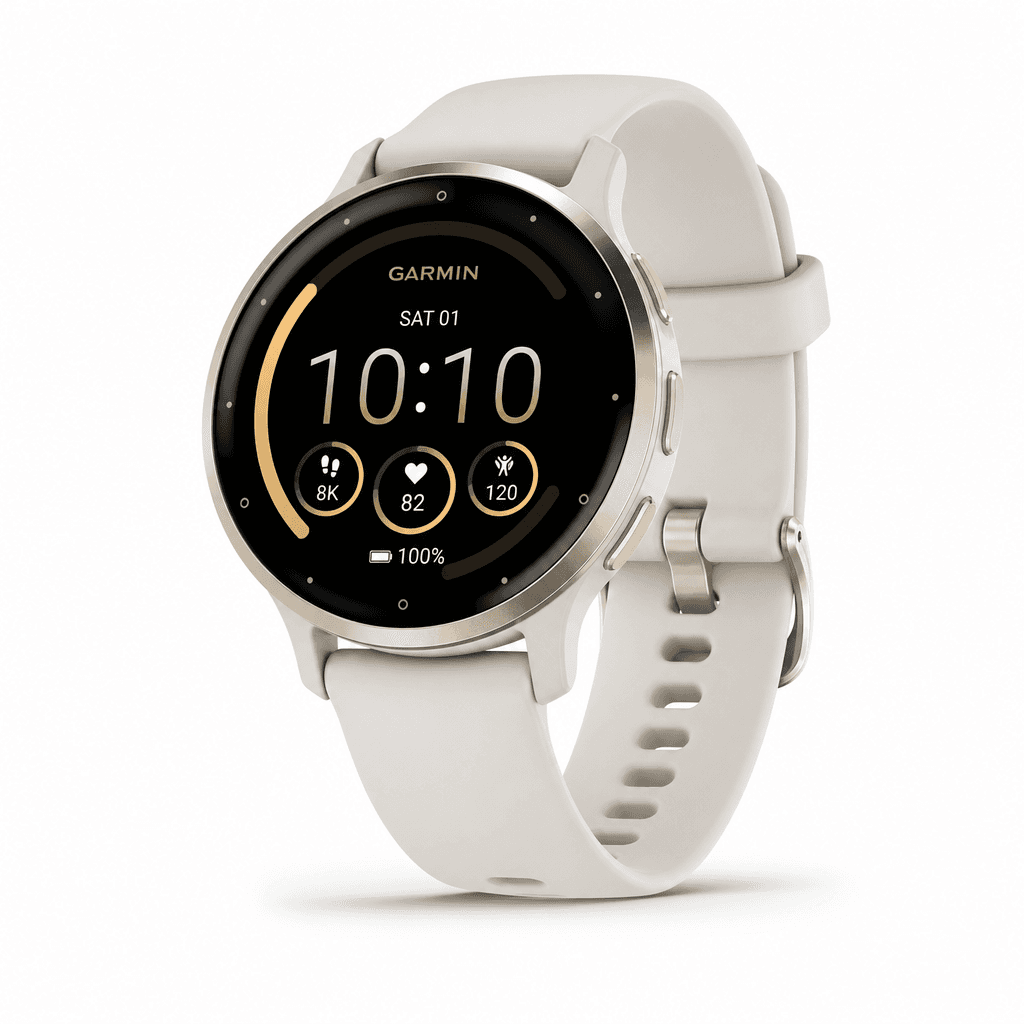
For health, sleep and general fitness without daily charging, the Garmin Venu 3 is probably the safest compromise. For elegant design with long battery life, the Huawei GT 4 and GT 5 are convincing if you accept a narrower ecosystem. For a tighter budget, the Amazfit Balance is honest: it does not beat the best watches at everything, but it provides useful health and activity features for much less money.
Mistakes to avoid when buying
The first mistake is buying the highest-scoring watch without checking phone compatibility. Do not buy an Apple Watch if you live on Android, and do not expect a Galaxy Watch to be equally complete outside Samsung. The second mistake is buying too much sports watch. Many premium multisport devices are excellent but unnecessary if you never use advanced training metrics. The third mistake is ignoring size. A watch that is too large often ends up in a drawer, no matter how impressive the spec sheet looks.
The fourth mistake is overtrusting health sensors. A smartwatch can flag trends, encourage better habits and provide useful context, but it is not a medical diagnosis tool. Finally, do not compare only launch prices. Smartwatch value changes with discounts, included bands, LTE variants and previous-generation deals. The second-ranked model can become the best buy at the right price, while the top model can be poor value if you pay full price for features you will not use.
Ecosystem compatibility
Ecosystem is the least glamorous criterion and often the most decisive. With an iPhone, Apple Watch benefits from integration that competitors cannot fully reproduce: setup, messages, calls, safety features, apps, Family Setup and Apple Pay. With Android, Samsung offers the most complete smartwatch experience, especially with Galaxy phones. Garmin, Polar, Huawei and Amazfit are more independent, but you must accept compromises in message replies, payments or app depth.
Before buying, ask what you expect when the phone stays in your pocket. If you want to reply, pay, navigate, dictate and control connected services, ecosystem depth matters most. If you mainly want to measure sleep, walk, run, recover and charge less often, a more independent watch may be better. The right smartwatch is not the one that does everything on paper; it is the one that fits your existing habits with the least friction.